

Spacer Tell A Friend Spacer Contact Us Spacer Book Now Spacer Goto Top of the page
topleft
topright
Click on the slide!

Anantara Maldives

Anantara Maldives

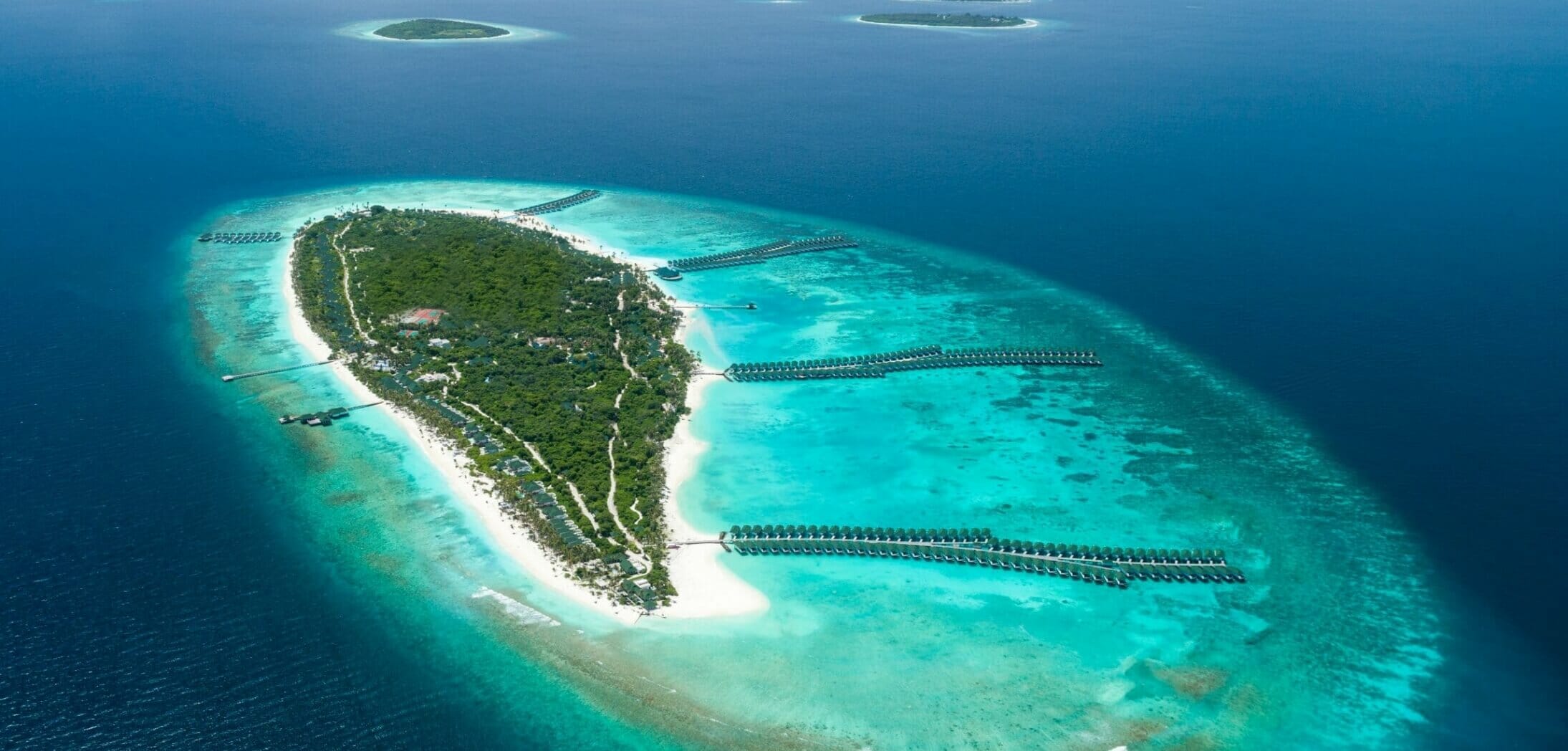
An idyllic island set in a private lagoon. This paradise is located in the South Male…

More...
Click on the slide!

Diva Resort & Spa

Diva Resort & Spa

This new resort unites great design with a raft of leisure facilities, and is next to the Maldives’ best dive…

More...
Click on the slide!

Four Seasons Resort Maldives at Kuda Hura

Four Seasons Resort Maldives at Kuda Hura

Create an unforgettable Maldives adventure – whether on our private coral island, fringed with white sand…

More...
Click on the slide!

Four Seasons Resort Maldives at Landaa Giraavaru

Four Seasons Resort Maldives at Landaa Giraavaru

A scenic sea-plane ride from Malé Airport, discover a paradise hideaway where luxurious seclusion meets wild natural beauty. This verdant,…

More...
Click on the slide!

Kanuhura Island Resort Maldives

Kanuhura

Kanuhura is located on the eastern rim of Lhaviyani Atoll, on its own private island. Famed for its laid-back luxury…

More...
Click on the slide!

Soneva Gili Resort & Spa

Soneva Gili Resort & Spa

Soneva Gili is located in one of the largest lagoons in the Maldives, with jetties threading across the crystal clear…

More...
Click on the slide!

The Beach House - Manafaru

The Beach House - Manafaru

The Beach House at Manafaru Maldives recreates the style and charm of traditional Maldivian hospitality, while…

More...
Click on the slide!

W Retreat and Spa Maldives

W Retreat and Spa Maldives

Cast away yet connected. Natural yet designed. Secluded yet welcoming. W Retreat & Spa – Maldives is a private island…

More...
Click on the slide!

Zitahli Resorts & Spa Dholhiyadhoo Maldives

Zitahli Resorts & Spa Dholhiyadhoo Maldives

Shaped like a long moon this stunning island newly opens its doors in early 2008. It’s very natural shape is…

More...
Click on the slide!

Zitahli Resorts & Spa Kuda-Funafaru

Zitahli Resorts & Spa Kuda-Funafaru

Zitahli Resorts and Spa Kuda-Funafaru is a 5 star deluxe property located on the idyllic Noonu Atoll, on the northern…

More...

Follow us on Twitter

Become a Fan on Facebook

Subscribe

Subscribe to our newsletter to get latest updates and special offers.

Name
E-mail


Weather Forecast

Click for Male, Maldives Forecast

Music & Dance

The people of Maldives have enjoyed their own forms of song and dance for centuries. Some types of dances are especially performed by women while both genders participate in others.

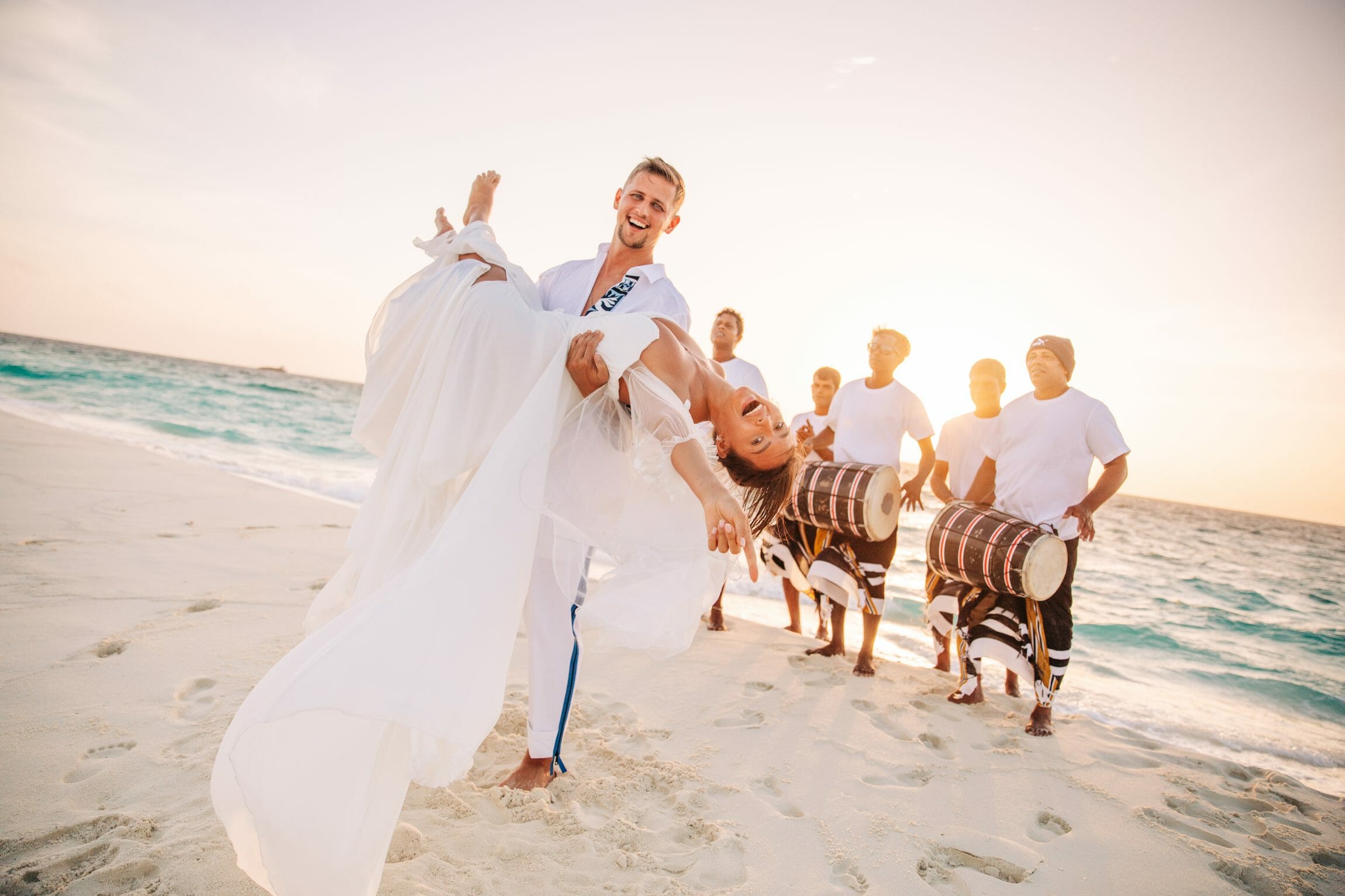
The most popular form, as all Maldivians would agree, is ‘Boduberu’, widely enjoyed by both the young and old alike. It would be extremely rare that you would miss the sound of ‘Boduberu’ drums in any celebrated function of the Maldives. According to some historians, this popular form of music, enjoyed by the young and old alike, was introduced to the country in the early 19th century by African slaves. During the reign of King Mueenuddeen I these slaves were liberated and sent to Feridhoo in Alif-Alif Atoll. It is believed that Boduberu spread out from there to become one of the most popular forms of entertainment in the country.

The Boduberu which is in the form of small barrels, are made from hollowed coconut wood with both ends sealed with goat hide or manta ray skin. The Boduberu troupe consists of a lead singer, background singers and a number of members who plays an assortment of percussion instruments.

In many celebrations, three or four such drums would be beaten, producing a rhythm which quickly grips the crowd and gets them to move and jerk with the catchy beat. As the troupe lead by the head of the troupe chants the lyrics, the crowd begins to chant along with them, clapping to the rhythm as more and more people join the dance. The rhythm builds as the song builds to a frenzied crescendo, followed by wild applause.

The Boduberu is played across all the islands of the Maldives in almost all events worthy of celebrating.


Bandiyaa Jehun

Bandiyaa’ are the amphora type metal pots used women to carry water. In ‘Bandiyaa jehun’, women use these pots and sway in colourful garments while tapping the rhythm on the pots with rings that adorn their fingers. This unique dance is very popular among the locals and an entertaining sight as the young women sing and dance to melodious tunes ,swinging with their pots.

With the changing world, traditional music of Maldives was greatly influenced by Eastern music. However, the traditional forms still survive among the locals. ‘Raivaru’ , ‘Farihi’ and ‘Bandhi’ are all unique styles of singing that are short, poetic and meaningful. These are still practiced to some extent by the locals.


Dhandi Jehun ‘Dhandi jehun’ is another form of entertainment during festive events such as Eid. This type of dance is performed and enjoyed by both sexes. ‘Dhandi’ are the two pieces of sticks roughly the length of drumsticks, which are colourfully decorated and used in the dance. As the dancers sing, the two sticks are brought together according to the beat. Women performers use shorter sticks and move to faster beats, moving in patterns in colorful costumes as they bringing their sticks together while also beating their sticks against those of the other dancers.

When Dhandi is performed by men, they use only one piece of stick which is about three feet long. They move to slower music.


ThaaraThaara is also a very traditional form of music but one which is performed by men. The men are attired in white in long-sleeved shirts and sarongs, wearing white turbans. These performers sit on the ground in two rows and sway to a slow song beating the ‘thaara’ which is a tambourine-like instrument minus the bells. Some dancers dance between the rows, turning slowly with the slow lyrics chanted in unison. Thaara is believed to have been introduced from the Middle East in the seventeenth century.


Though Thaara still holds a special place in local entertainment, today it is only played at national events.


Bodu BeruBodu Beru is similar to some of the songs and dances found in east Africa. It is likely that the music was introduced to The Maldives by sailors from the Indian Ocean region. It may be said that Bodu Beru known commonly as "Baburu Lava" (Negroid Song) first made an appearance in The Maldives in the 11th Century AD, or maybe before. Bodu Beru is performed by about 15 people, including three drummers and a lead singer. They are accompanied by a small bell and an "Onugandu" - a small piece of bamboo with horizontal grooves, from which raspy sounds are produced by scrapping. The songs may be of heroism, romance or satire. The prelude to the song is a slow beat with emphasis on drumming, and dancing. As the song reaches a crescendo, one or two dancers maintain the wild beat with their frantic movements ending in some cases in a trance. Bodu Beru evolved among the common citizens as an alternative to court music. In the early days, the people gathered together to perform Bodu Beru, and it became widely accepted as the music of the common people. The performing of the music is often referred as "vibrating the island". A notable point about Bodu Beru is its noise and sometimes meaningless lyrics sung. The lyrics do not have a meaning, because it consists of a mixture of local, neighbouring and some African words. Today, meaningful songs written in the local language Dhivehi are sung to the rhythm of Bodu Beru. Bodu Beru is usually sung after a hard day's work. The location is up to the performers. Today, Bodu Beru is an important item of entertainment at stage shows, celebrations and festivals. The costume of the performers is a sarong and a white short sleeved banian.


More About Maldives:


Site Search

Flight Schedule
m
© Lets Go Maldives Pvt. Ltd. 2008
Lets Go Maldives Pvt. Ltd. Lets Go Maldives Pvt. Ltd